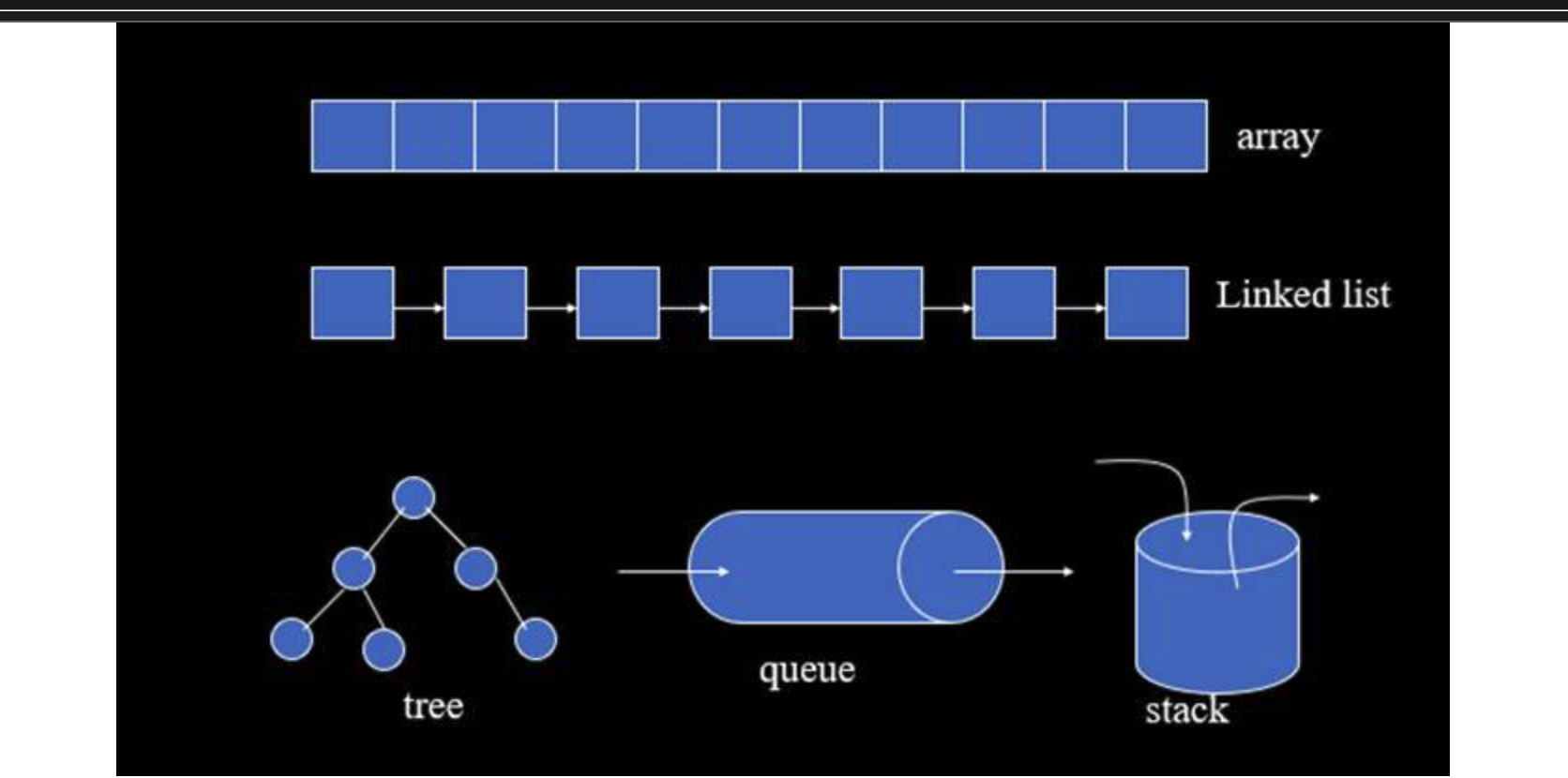
IN2010: Algorithms & Data Structures
Five graded projects covering fundamental algorithms and data structures, including a large-scale IMDB graph with ~100k nodes and 5M edges, Dijkstra, BFS, and AVL trees.
IN2010 - Algorithms and Data Structures at UiO. Five graded assignments building a rigorous understanding of fundamental algorithms: not just using them, but implementing them correctly and understanding their complexity.
Project 1: Sorting and complexity
- Implementing and comparing sorting algorithms: insertion sort, merge sort, quicksort
- Empirical complexity analysis: timing runs on input sizes n = 10³ to 10⁷
- Understanding best/worst/average cases and why pivot choice matters for quicksort
- External sorting concepts for data that doesn’t fit in memory
Project 2: Trees
- Binary search trees (BST): insert, search, delete with correct case handling
- AVL trees: self-balancing BST with rotation operations (LL, RR, LR, RL)
- Proving height bound: O(log n) guaranteed for AVL
- Tree traversals: in-order, pre-order, post-order, level-order (BFS)
Project 3: Hash tables
- Open addressing (linear probing, quadratic probing, double hashing)
- Separate chaining with linked lists
- Load factor and rehashing: when to grow the table and why
- Designing good hash functions for strings and composite keys
Project 4: Graphs (BFS, DFS, shortest paths)
- Graph representation: adjacency list vs adjacency matrix, and the space/time trade-offs between them
- BFS: unweighted shortest path, level-by-level traversal
- DFS: topological sort, strongly connected components (Tarjan’s / Kosaraju’s)
- Dijkstra’s algorithm: weighted shortest path with a priority queue (min-heap)
Project 5: Large-scale IMDB graph
The most demanding project: a real-world graph with approximately 100,000 nodes (actors and films) and 5 million edges (actor-film relationships) from the IMDB dataset.
Tasks:
- Load and build the full graph efficiently (adjacency list)
- Find the shortest path between any two actors (the “six degrees of Kevin Bacon” problem) using BFS
- Dijkstra for weighted shortest paths (weighting by co-star frequency)
- Find all shortest paths between two actors (multiple equal-length paths)
- Performance: the full BFS must complete within a few seconds on commodity hardware
Implementation choices:
- Python with
collections.dequefor BFS queue heapqfor Dijkstra’s priority queue- Careful memory management, storing the full graph without running out of RAM
What I learned
Algorithm theory becomes real when you run Dijkstra on 5 million edges and watch it take 40 minutes with a naïve implementation, then 4 seconds after switching to a proper priority queue. Complexity analysis is the tool for predicting this before you run the code.