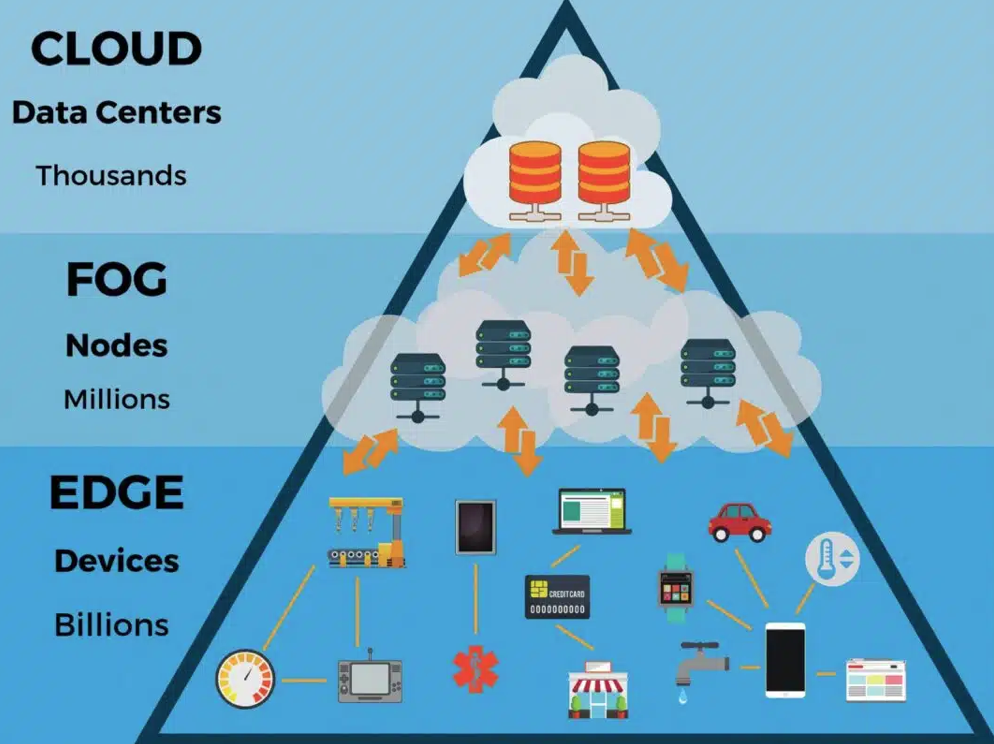
Master's course on designing systems across the edge-fog-cloud continuum. A group project in OMNeT++ comparing a cloud-based and a fog-based smart garbage collection system, a presentation of the research paper Fogify: A Fog Computing Emulation Framework, and an individual OMNeT++ assignment on loss and retransmission, and the official OMNeT++ TicToc tutorial.
Master's course on how distributed systems are built: middleware, replication, consensus and peer-to-peer lookup. Three group assignments: a load-balanced Java RMI statistics service with caching and Docker deployment, a replicated bank account kept consistent with a totally ordered broadcast, and a Chord peer-to-peer ring with finger tables and logarithmic lookups.
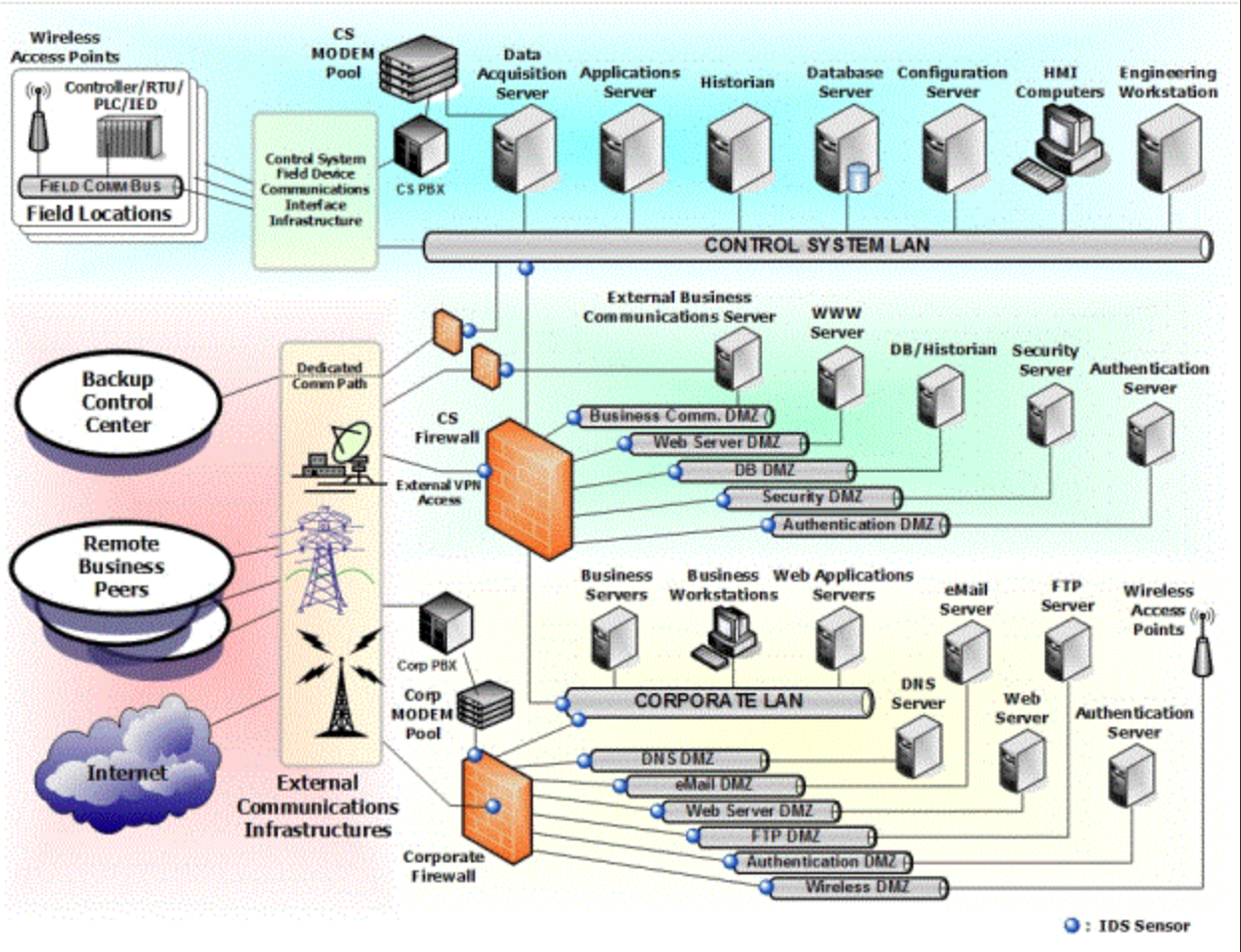
Master's course on securing industrial control systems, smart grids and sensor networks. Two individual assignments on the WannaCry ransomware: how it could reach ICS and SCADA environments, then a structured Attack Flow with a MITRE ATLAS extension and an IEC 62443-3-2 zones and conduits redesign.
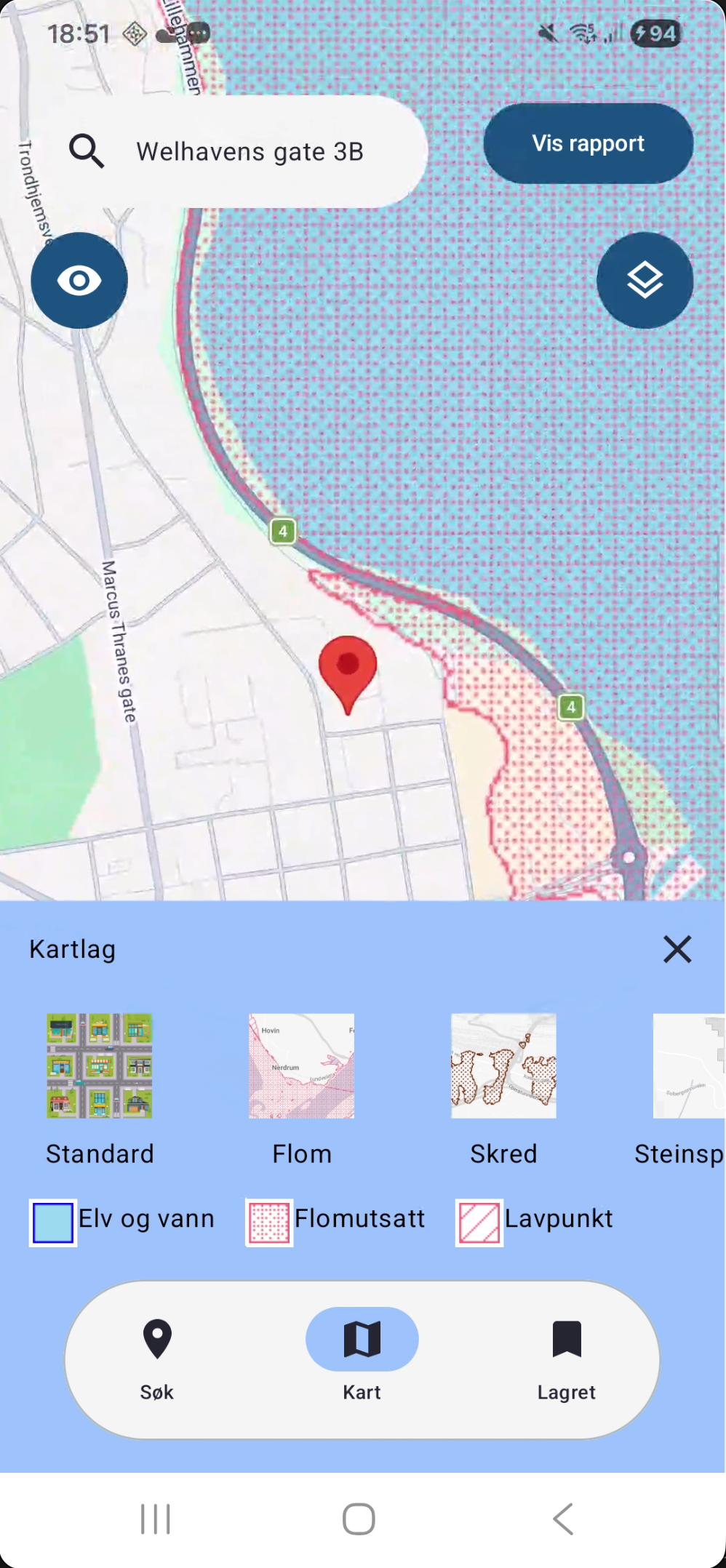
Team Android app for climate and natural hazard risk assessment of Norwegian locations. Combines map search, weather data, flood/landslide risk scoring, and AI-generated reports. Nominated among the 10 best projects in the course.
Advanced OS coursework in C and x86 Assembly: process management, memory management, synchronization, interrupt handling, and building core OS components close to hardware with Bochs and GDB.
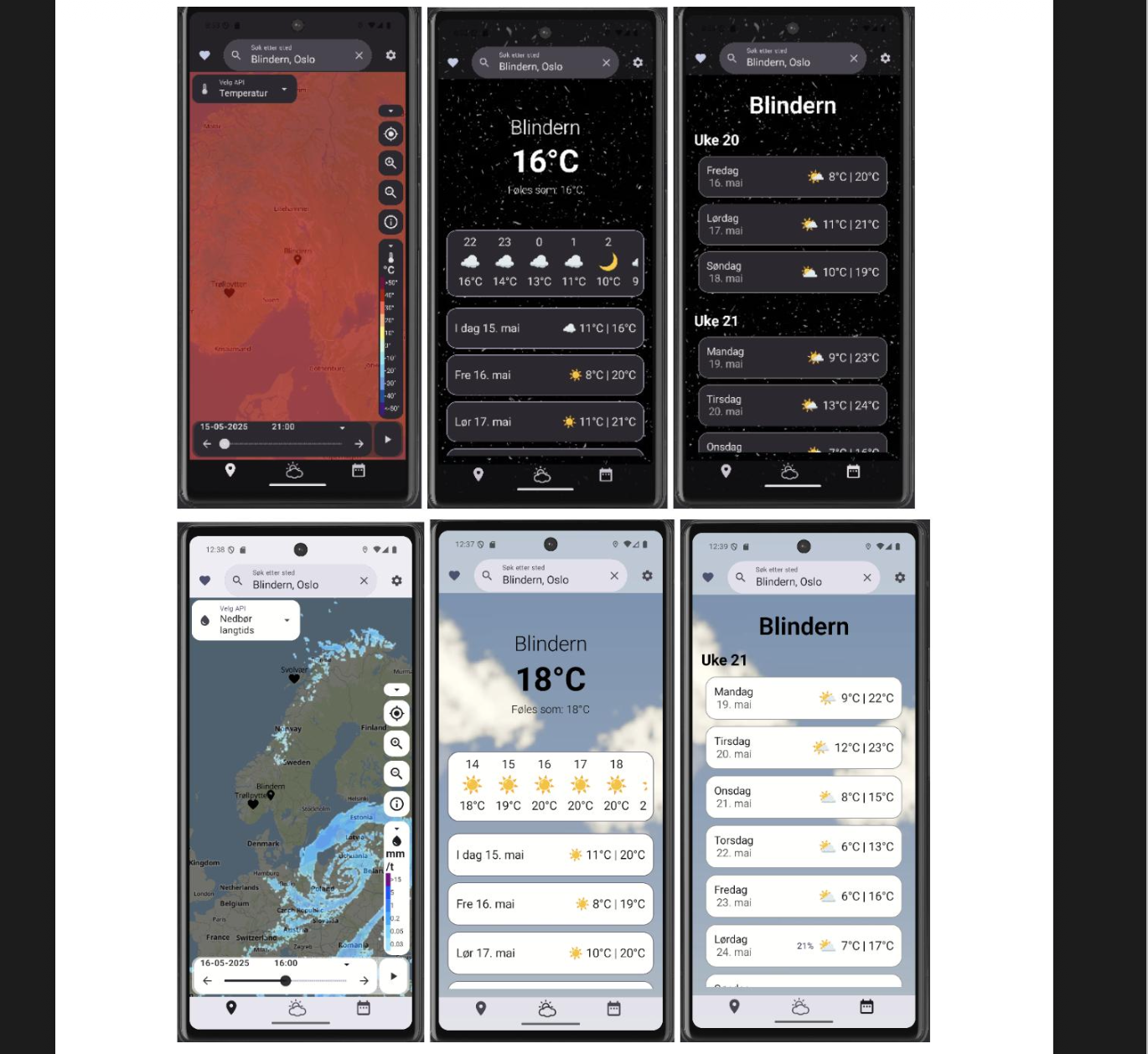
Team Android app with weather tiles on an interactive map, MapLibre rendering, a backend tile server, and real-time meteorological API integration. Nominated among the 10 best projects in the course.
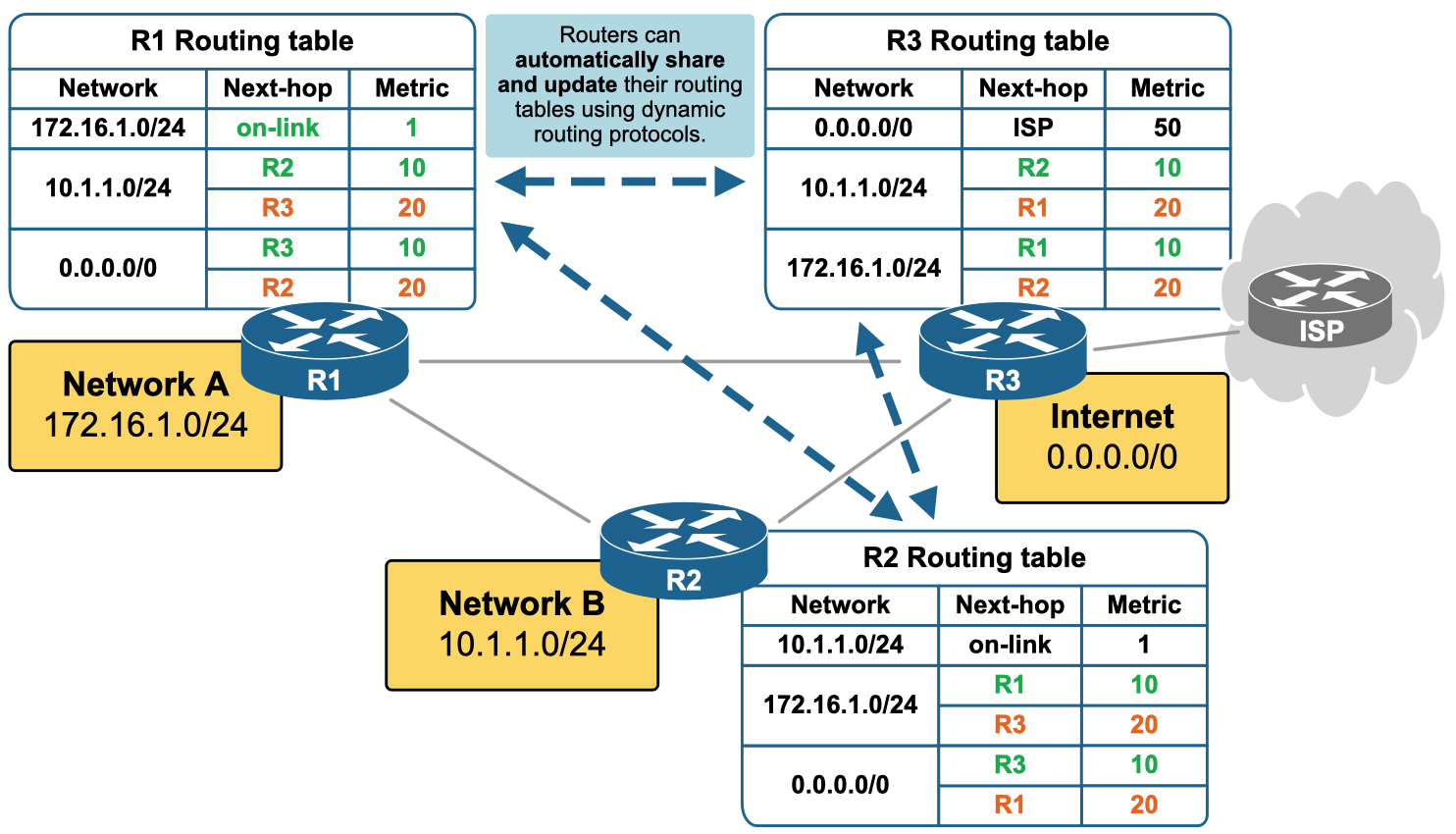
Designed and implemented a minimal IP-style network stack: a MIP daemon, a routing daemon with distance-vector routing and poison reverse, IPC between layers, and testing in Mininet.
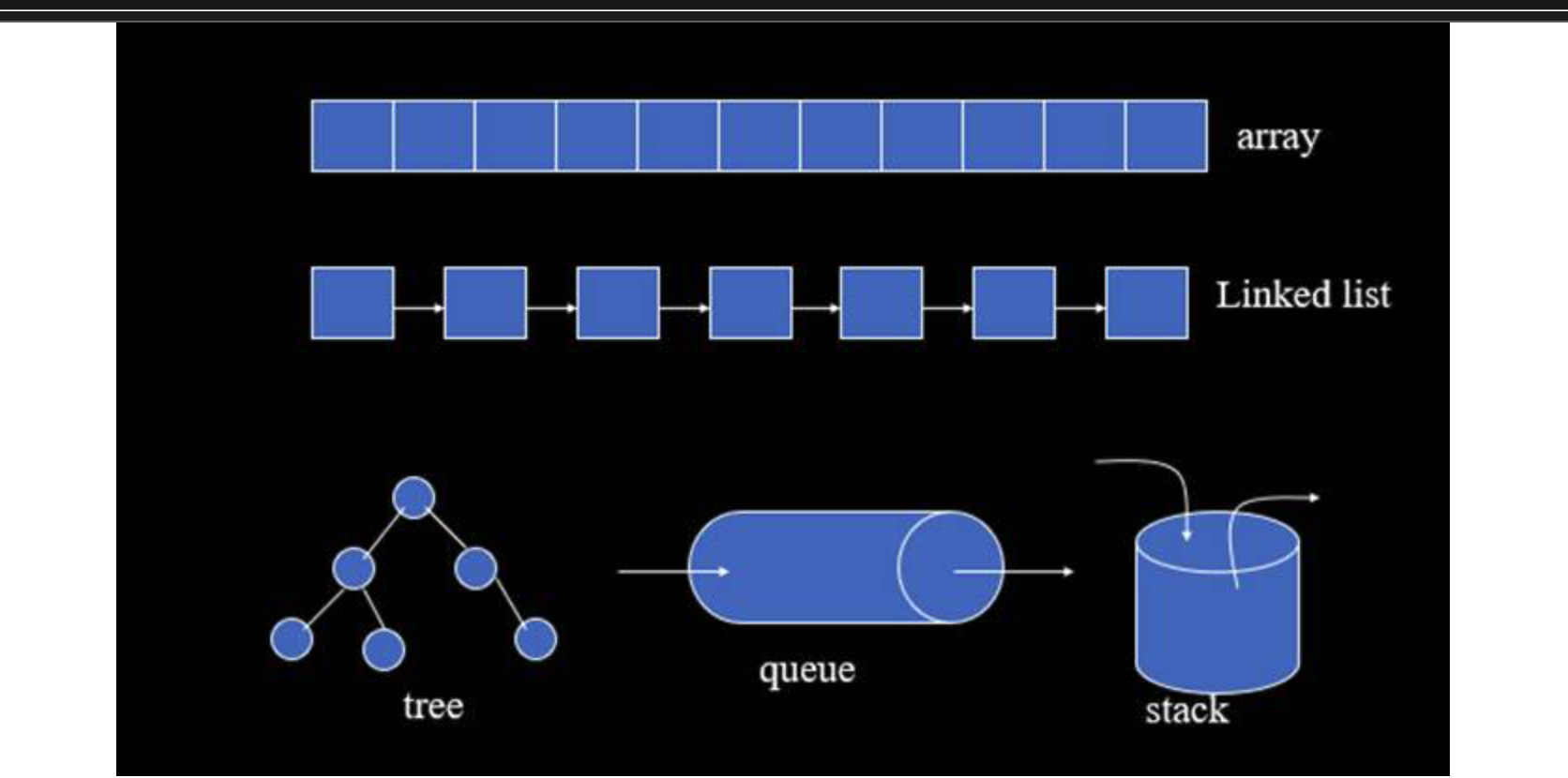
Five graded projects covering fundamental algorithms and data structures, including a large-scale IMDB graph with ~100k nodes and 5M edges, Dijkstra, BFS, and AVL trees.
Foundational systems course in C covering low-level I/O, processes, concurrency, synchronization, and networking protocols. Includes a substantial home exam project.
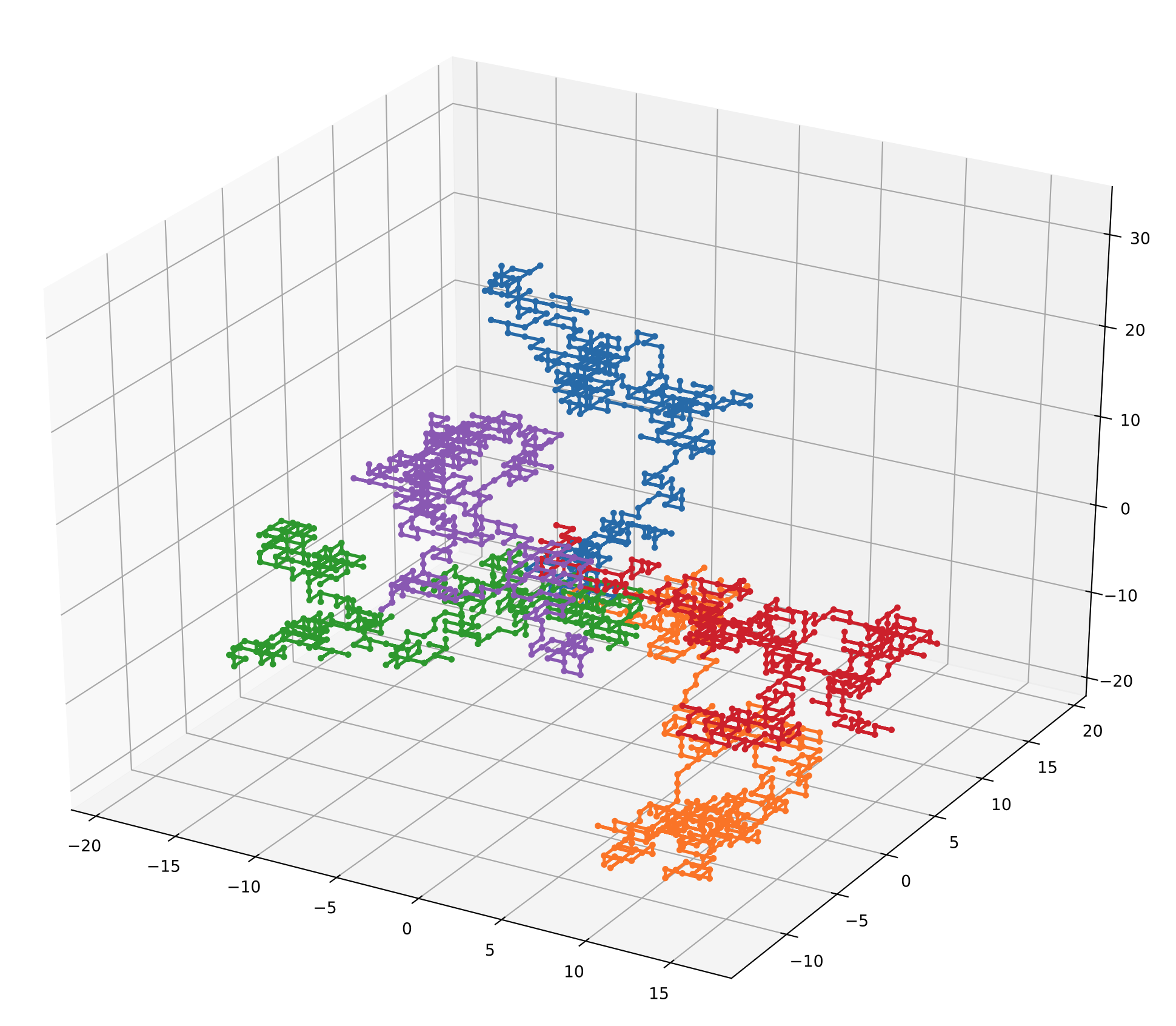
Four programming projects covering version control, OOP, simulations (double pendulum, random walks), numerics, and software design, with testing using pytest and mypy type checking.